Powering for Abundant Landscapes
Powering for Abundant Landscapes
Blog Article
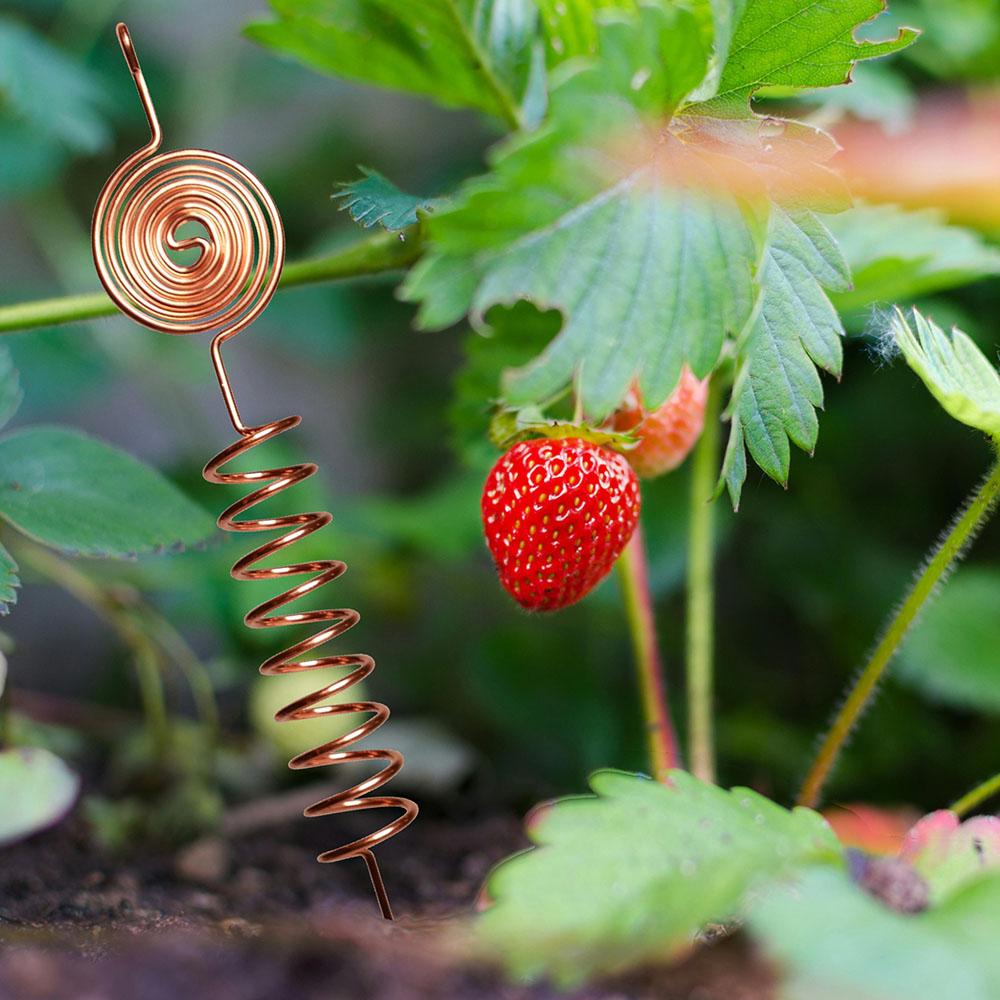
Electroculture, the intriguing technique , indicates that crops can flourish when given to mild electric currents . Some electroculture believe that this slight boost enhances nutrient assimilation, causing to quicker maturation and potentially bigger production. While scientific confirmation is insufficient, numerous enthusiasts report impressive results in their home gardens , inspiring further study of this nascent approach to horticulture and sustenance production .
The Beginner's Guide to Electro-culture Gardening
Wanting to learn a new gardening method ? Electrical gardening involves harnessing electric energies to enhance plant growth . The process sounds advanced , but the core principles are surprisingly simple to understand . Typically, it features creating a grid of copper wire above your plants , sometimes connected to a gentle energy source. While rigorous proof is available limited, many enthusiasts claim significant increases in vegetation health and harvest. We'll briefly discuss the essentials in later sections.
Can Electroculture Truly Operate? Separating Reality and Myth
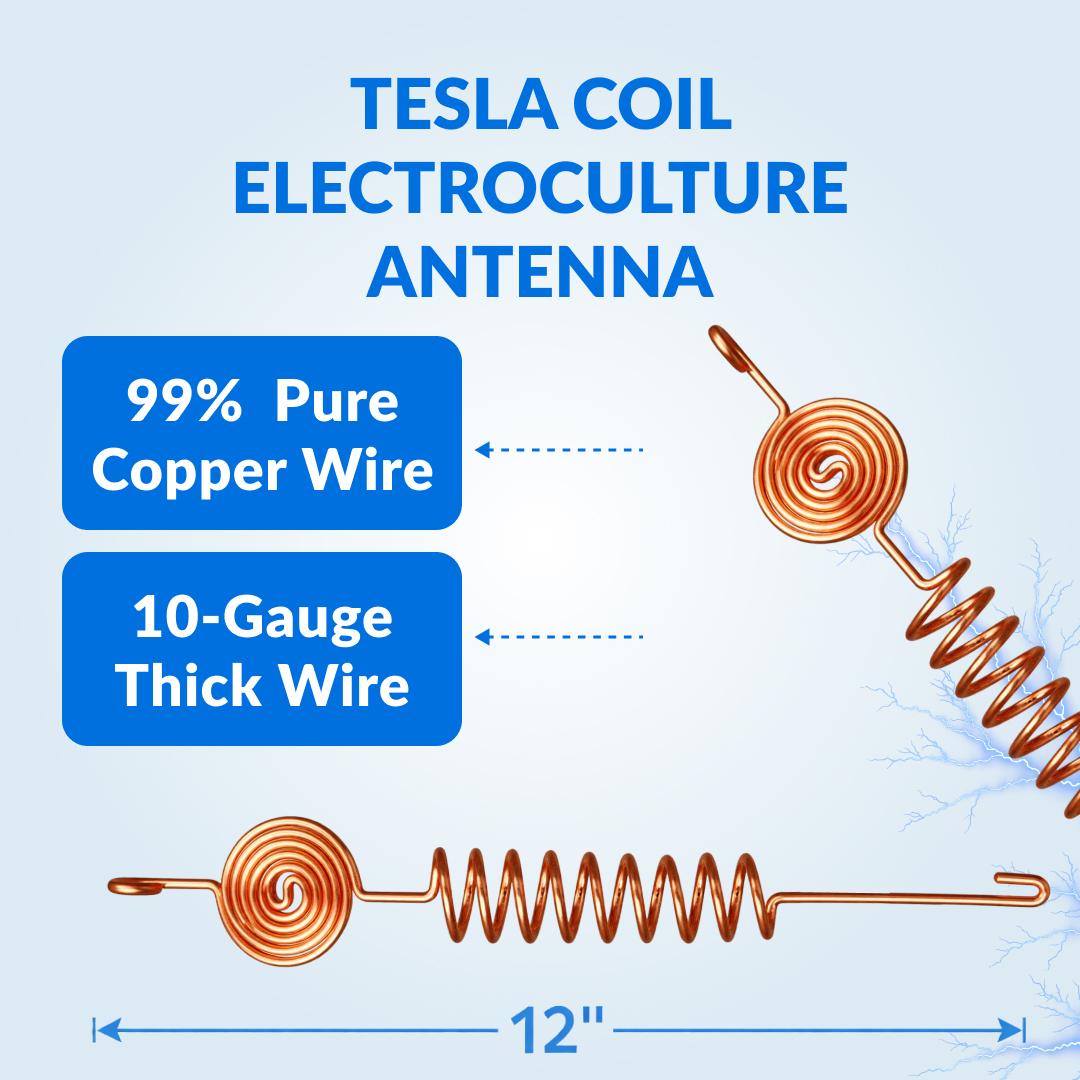
Electroculture, an approach utilizing low-voltage current to stimulate vegetation growth, has generated widespread buzz online. However, it's vital to thoroughly evaluate the claims and delineate genuine observations from unsubstantiated hype. While certain initial tests appear to indicate better yields, the objective grounding persists mostly unclear. Numerous allegedly triumphs could be due to hidden influences, including improved soil, irrigation, or straightforward coincidence. Enhanced study and official approval are needed to establish whether electroculture is a reliable farming method .
Creating Your Own Bioelectrical Garden: A Practical Guide
Embarking on the fascinating world of electroculture can look daunting, but creating your own electroculture garden is surprisingly manageable with a some basic steps. First, collect your materials: a container , copper cabling , zinc sheet , water, and a electricity – a small battery or homemade cell can suffice. Afterward, arrange the copper and zinc encircling the water within the container, ensuring they do not touch. The bioelectrical field produced between these metals is believed to encourage plant development . Finally, observe your plants and modify the system as necessary – electroculture is as much concerning experimentation as it is concerning following instructions .
Electroculture vs. Conventional Horticulture : What is This Distinction?
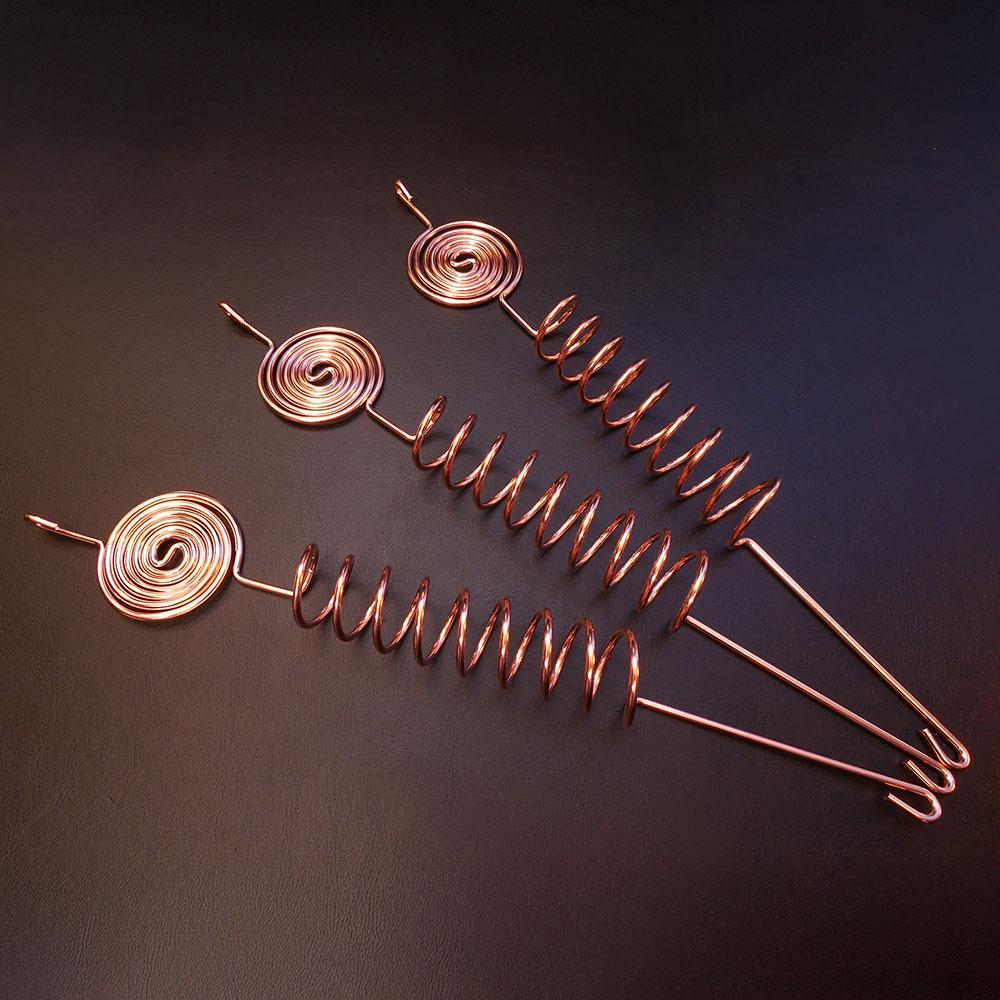
Numerous gardeners are exploring electroculture as an alternative to traditional gardening . While both seek to cultivate vibrant plants , they utilize drastically different techniques . Traditional horticulture relies on soil nutrients , illumination, and hydration, often with extra fertilizers . In difference, electroculture leverages a low bio-electrical to energize vegetation maturation, potentially minimizing the dependence on earth and traditional fertilizers . Finally , electrical gardening embodies a fairly emerging concept in agriculture possessing specific promise .
Boosting Plant Growth with Electroculture: Potential & Practicalities
Electroculture, a fringe technique suggesting plant development through electrical fields , has ignited considerable curiosity amongst growers. Historical reports asserted significant increases in production and total plant health . While the exact mechanism remains unclear , some hypotheses relate to enhanced water uptake and nutrient distribution within the soil . Practical implementations can span from simple DIY setups utilizing copper and zinc electrodes to more complex setups . However, it’s crucial to more info approach electroculture with consideration, acknowledging the restricted peer-reviewed rigorous proof and potential dangers associated with improper implementation. Further research is required to completely grasp the potential and restrictions of this captivating approach to agriculture .
- Potential benefits include increased yield and improved plant health.
- Consider the need for further research and scientific validation.
- Practical applications range from simple DIY systems to complex configurations.